
What are the Rights of Children?
A comprehensive guide to the United Nations Convention on the Rights of the Child (UNCRC).
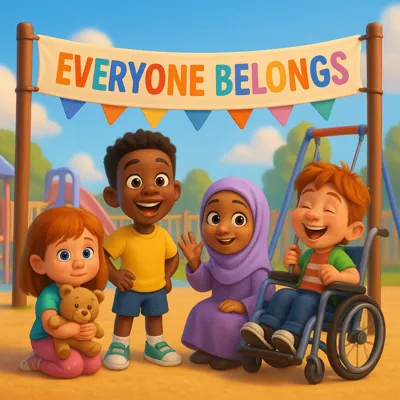
The United Nations Convention on the Rights of the Child (UNCRC) is a landmark international treaty. It delineates the civil, economic, political, and cultural rights of children across the globe.
The UNCRC came into force on September 2, 1990, and as of July 2022, it has been signed by 196 countries. It recognizes children as individuals with their own rights, rather than passive recipients of adult care.
Fundamental Principles
| Article | Principle | Description |
|---|---|---|
| 2 | Non-Discrimination | Every child has the right to the same protection and opportunities, regardless of race, religion, or ability. |
| 3 | Best Interests | The child’s welfare must be a primary consideration in all decisions affecting them. |
| 6 | Life & Survival | Governments must ensure the survival and development of the child to the maximum extent possible. |
| 12 | Respect for Views | Children have the right to express their views freely, and these should be given weight according to their maturity. |
The Complete 54 Articles
Full UNICEF Guide →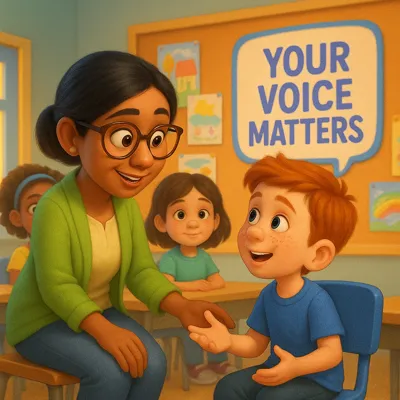
The UNCRC contains 54 articles in total. Articles 1–42 detail individual rights, while Articles 43–54 discuss how governments and adults must collaborate to ensure these rights are upheld.
Articles 43–54: Implementation and Government Responsibility

Mark Else
My experience ranges from running playgroups for pre-schoolers to managing complex safeguarding caseloads within both mainstream and SEMH provisions. In addition to having worked within the education sector since 2018, I am currently studying for a Level 6 Youth Work degree.