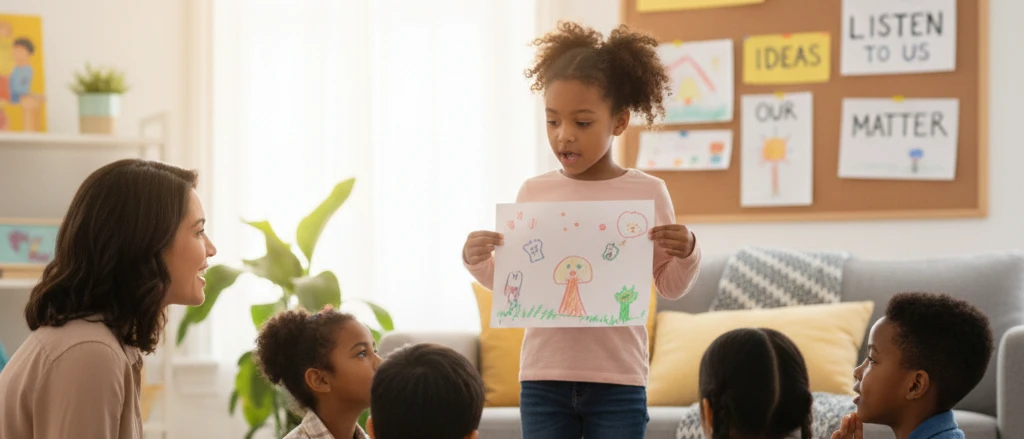
The Voice of the Child in Safeguarding
Keeping children safe by understanding their lived experiences and empowering their agency.
How can we as professionals keep children safe if we do not know what we are trying to protect them from? Children often do not see risks and harm as professionals do—especially if they have grown up in that environment for an extended period.
"Children are acutely aware of the potential consequences of speaking up. They are often torn between doing what is right and doing what they need to do to keep their family together."
The Legal Framework
Article 12: Respect for Views
The UNCRC is fundamental to safeguarding. Article 12 explicitly states that every child has the right to express their views, feelings, and wishes in all matters affecting them, and to have those views taken seriously.
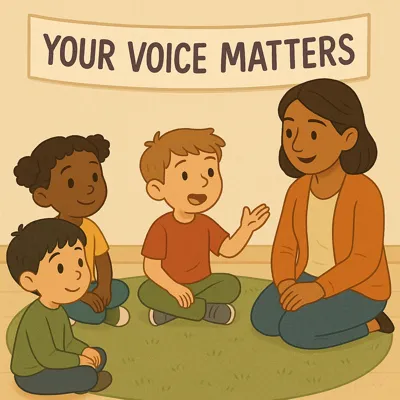
Empowering Agency
Decision-Making
Offer choices rather than dictating actions to build ownership.
Critical Thinking
Use open-ended questions to encourage independent problem-solving.
Self-Expression
Create safe, non-judgemental spaces for honest feelings.
Self-Advocacy
Role-model how to speak up and ask for what is needed.
Gathering the Lived Experience
Technique: TED & WWW
Use Tell me, Explain, Describe. Avoid leading questions that influence the child's response.
Active Listening
Remove all distractions (phones, files) to show you are 100% present in the moment.
Multi-Agency Insight
Collaborate. Different professionals often hold different pieces of the puzzle.
Honest Confidentiality
Be clear about what must be shared for their safety and what can remain private.
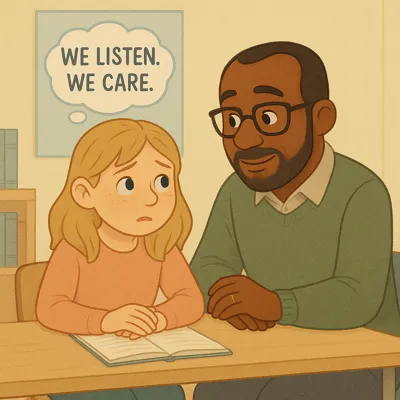
Potential Challenges
Gathering the child’s voice isn't always straightforward. Professionals must be aware of:
- Emotional Barriers: Fear, shame, and mistrust can hinder sharing.
- Bias and Lenses: We all view life through our own experiences; we must avoid making assumptions about a child's home life.
- Scripted Responses: Children may give the answer they think you want to hear. Always explore the reasoning behind their answers.
Conclusion
Prioritising the child’s perspective is not only beneficial; it is essential for effective safeguarding practice. By listening and validating, we contribute to their long-term emotional resilience.

Mark Else
My experience ranges from running playgroups for pre-schoolers to managing complex safeguarding caseloads within both mainstream and SEMH provisions. In addition to having worked within the education sector since 2018, I am currently studying for a Level 6 Youth Work degree.
References
- United Nations Convention on the Rights of the Child (UNCRC) - UNICEF UK
- Listening to Children: A Practitioner's Guide by Alison Clark and Peter Moss
- The Voice of the Child: A Handbook for Professionals by Julia Cook and Susan Davie
- Children's Rights, Education, and the Voice of the Child by Cath Lutterworth
- Every Child’s Right to Be Heard - UNICEF Report
- Empowering Children as Active Participants in Their Education by Amanda Keddie