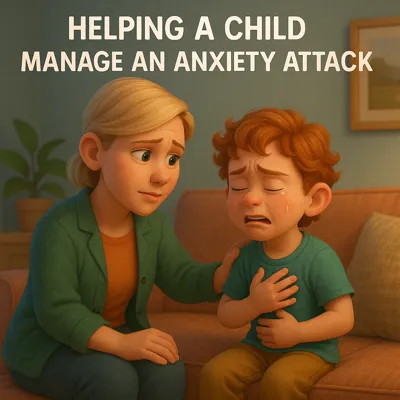
Understanding Child Anxiety Attacks
A guide to recognising symptoms and providing compassionate support during acute episodes.
Anxiety is a common human emotion—a response to feeling afraid or threatened. An anxiety attack is an acute episode that exaggerates the body's natural "fight, flight, or freeze" response.
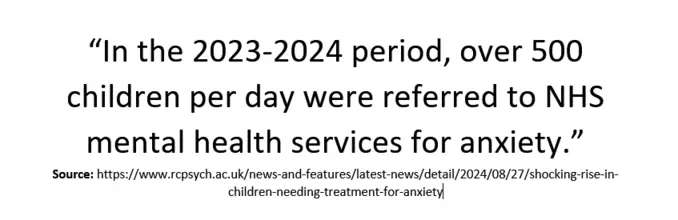
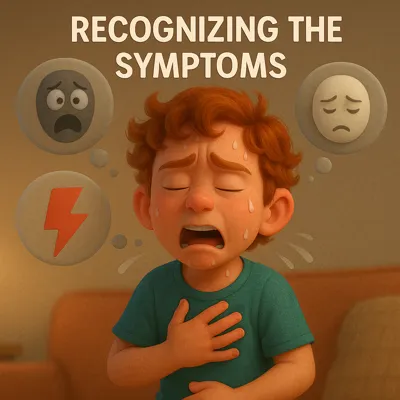
Recognising Symptoms
🧠 Emotional
- Intense Fear: Sudden sense of impending doom.
- Loss of Control: Feeling overwhelmed or "going crazy."
- Detachment: Feeling surreal or isolated.
🫀 Physical
• Heart palpitations (rapid heartbeat)
• Hyperventilation / Shortness of breath
• Sweating or cold/clammy hands
• Trembling and involuntary shaking
• Nausea or stomach aches
• Tingling in hands, feet, or face
In-the-Moment Support
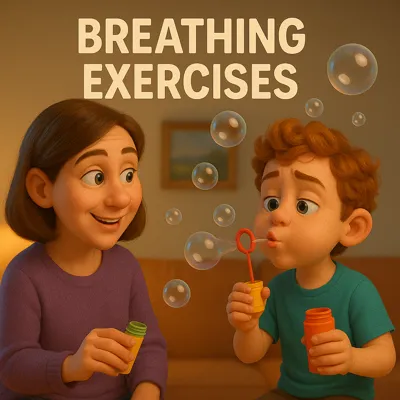
Regulate Breathing
Slow, deep breaths help regulate the heart rate. Exercises like "box breathing" or blowing bubbles are effective for reducing physical symptoms.
Grounding: The 5-4-3-2-1 Technique
Bring the child back to the present moment by asking them to name:
Environment & Recovery
Provide a Safe Haven
Move the child to a quiet area to reduce sensory overload and protect their privacy during the attack.
Follow-Up & CBT
Once calm, identify triggers. Professionals often use Cognitive Behavioural Therapy (CBT) to help children manage future anxiety.
Guiding Them to Safety
Supporting a child through an anxiety attack is a significant responsibility. By offering calm, compassion, and a safe environment, you can help them navigate these challenging moments with confidence.
[ad_inarticle_mid]

Mark Else
My experience ranges from running playgroups for pre-schoolers to managing complex safeguarding caseloads within both mainstream and SEMH provisions. In addition to having worked within the education sector since 2018, I am currently studying for a Level 6 Youth Work degree.