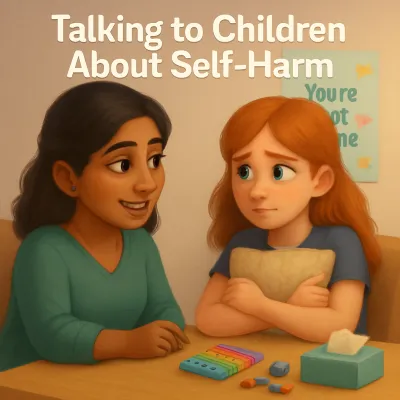
How to Talk to Children About Self-Harm
A compassionate, step-by-step guide to facilitating supportive conversations and emotional healing.
Self-harm is an emotive topic, often viewed as a taboo subject. However, silence is not a positive way forward. Approaching this topic with sensitivity and understanding is essential to helping a child feel safe and supported.
Key Considerations
Remain Calm: Avoid showing shock or anger, which can lead to the child feeling ashamed or shutting down.
Environment: Choose a private, comfortable space where neither of you is distracted.
Avoid Ultimatums: Telling a child to "just stop" is unhelpful and encourages them to hide the behaviour.
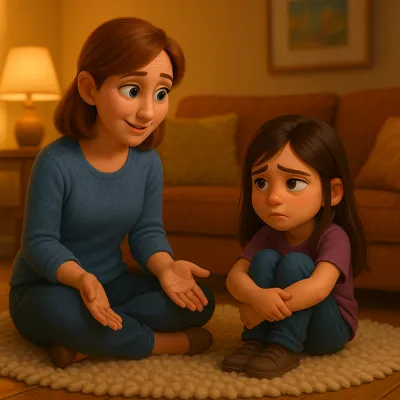
Patience is vital: Healing takes time and relapses are common.
Facilitating the Conversation
1. Open-Ended Questions
"I have noticed that you have been down lately. Can you tell me what has been going on?"
2. Acknowledge Emotions
"I understand that you have been feeling overwhelmed today, and that is okay; I am here if you want to talk."
3. Gently Introduce the Topic
Once the child is talking about their emotions, you can introduce self-harm gently: "Sometimes, when people are feeling upset, they might hurt themselves because they don’t know what else to do with those feelings. Has this happened to you?"
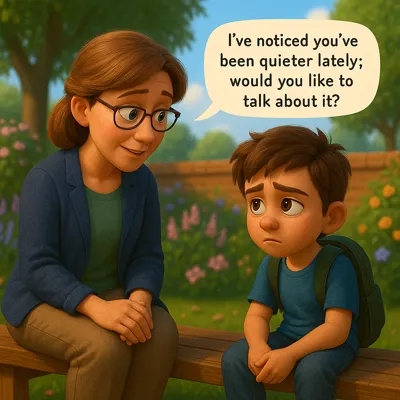
4. Listen Without Judgement: Be prepared for a gradual drip-feed of information or a sudden "overload." Both are normal.
Focus on the "Feeling," Not the "Act"
Self-harm is usually a coping mechanism for underlying emotional pain. Shift the focus from the harm to the causes. Avoid asking "Why?"—this can carry shame. Instead, ask what led to those feelings.
Healthy Coping Mechanisms
Download our Free Self-Care & Safety Planning Booklet
Involving Professional Support
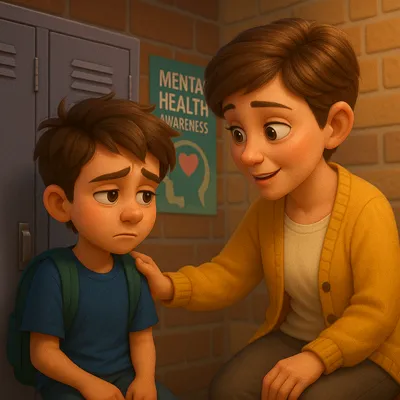
A Pathway to Healing
Self-harm is a signal of deep distress. By listening without judgement and providing a safe environment, you pave the way for healing and guide the child towards the professional help they need.

Mark Else
My experience ranges from running playgroups for pre-schoolers to managing complex safeguarding caseloads within both mainstream and SEMH provisions. In addition to having worked within the education sector since 2018, I am currently studying for a Level 6 Youth Work degree.
References
- How to support a child or young person who is self-harming - Place2Be
- Self-harm: A guide for parents and carers - Kirklees Keep in Mind
- Supporting a Young Person Struggling With Self-harm - YoungMinds
- Self-Harm & Mental Health | Guide For Parents - YoungMinds
- Understanding self-harm - British Psychological Society
- Understanding Child Self-Harm & Keep Them Safe - NSPCC