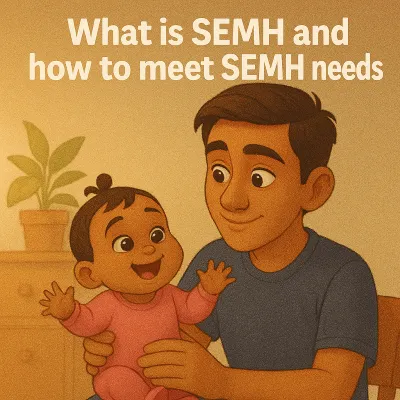
Understanding SEMH Needs
Defining Social, Emotional, and Mental Health needs and exploring strategies for effective support.
SEMH describes children and young people who struggle to manage their emotions, mental well-being, and social interactions.
In the UK, SEMH is a recognised category of Special Educational Needs (SEN). Children with these needs often feel anxious or misunderstood, which can lead to significant barriers in building relationships and engaging with education.
What Causes SEMH?
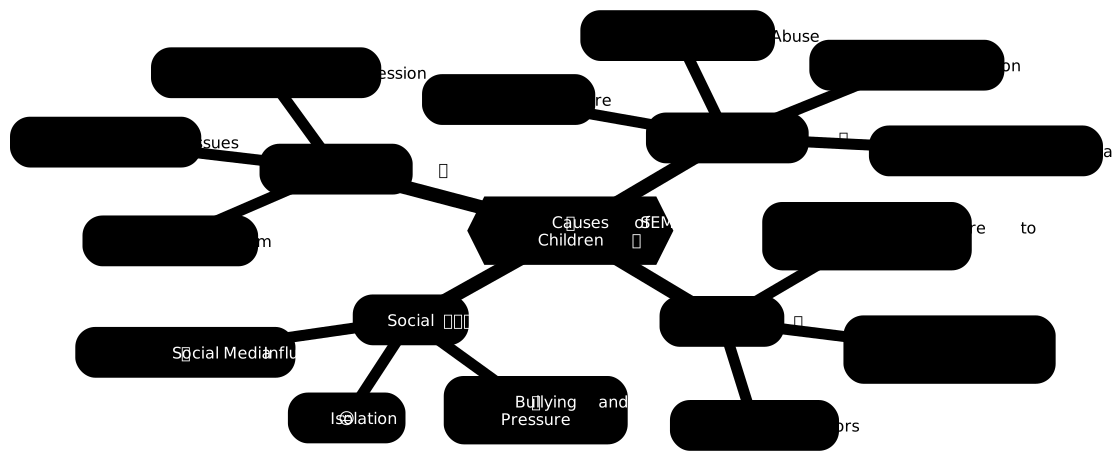
Poor Attachment History
A lack of emotional warmth, inconsistent needs being met, or negative responses from a primary caregiver.
Trauma & Environment
Experiences such as domestic violence, bullying, social exclusion, neglect, or significant loss.

The Three Pillars of SEMH
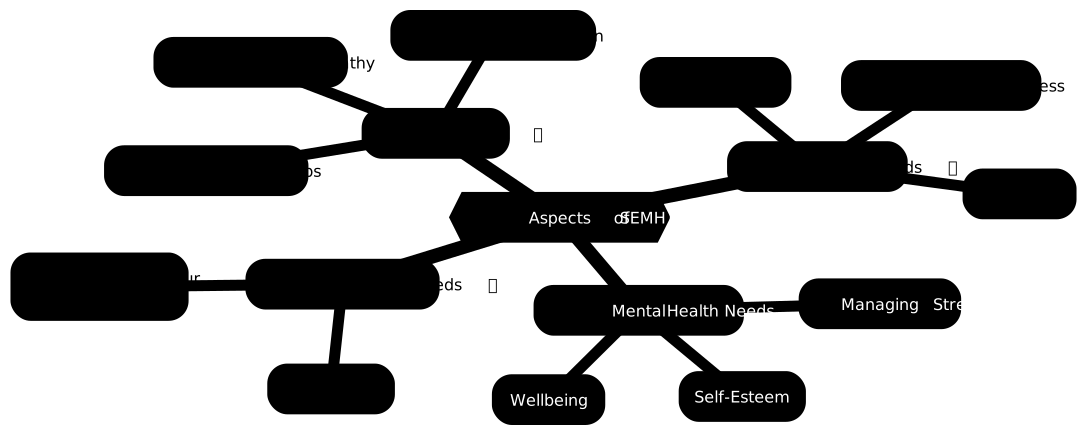
Social
Difficulty maintaining deep relationships; often building only superficial bonds limited to specific contexts like school.
Emotional
Difficulty regulating outbursts, constant states of high alert, and a persistent need for predictability.
Mental Health
Irrational fears, intrusive thoughts, and seeing threats in everyday, safe situations based on past trauma.
The Impact on Life Chances
National data suggests 99% of children with SEMH will not make the national average academic progress. Only 30% will gain qualifications by age 20.
Increased Risks:
Strategies & Interventions
Structured Routines
Visual timetables and "Now & Next" boards reduce uncertainty. Consistency helps children feel secure and reduces anxiety-driven outbursts.
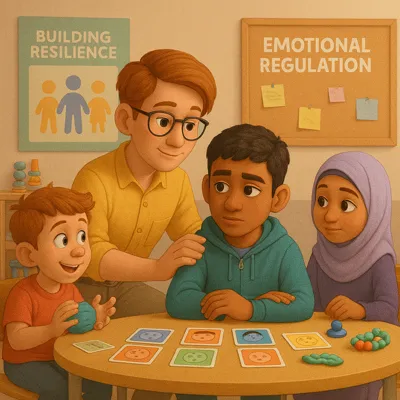
Sensory Integration
Movement breaks, fidget toys, and noise-cancelling headphones help overstimulated children re-focus and manage sensory overload.
Positive Behaviour Support
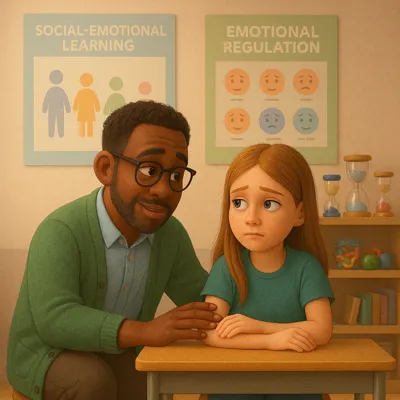
Unlike traditional punishment-heavy systems, children with SEMH thrive on Positive Behaviour Support (PBS). This involves clear expectations delivered with a positive tone and reinforced through praise.
Frequently Asked Questions
Is SEMH a special educational need?
Yes. In the UK, it is a recognised SEN category, and schools have a legal duty to provide appropriate support.
Can SEMH needs change?
Yes. With tailored intervention and consistent support, children can develop the coping strategies needed to improve their well-being over time.
Empowering the Whole Child
Supporting a child with SEMH needs requires a comprehensive approach. By tailoring emotional, behavioural, and educational interventions, we empower them to develop the skills needed to thrive both academically and personally.
SEN Series • Part 17

Mark Else
My experience ranges from running playgroups for pre-schoolers to managing complex safeguarding caseloads within both mainstream and SEMH provisions. In addition to having worked within the education sector since 2018, I am currently studying for a Level 6 Youth Work degree.
References
- SEMH Intervention Strategies – Top 10 tips to help support students
- Social, Emotional, and Mental Health | Teaching Strategies
- Social Emotional and Mental health needs (SEMH)
- Understanding and Supporting Social Emotional Mental Health (SEMH)
- SEMH in Schools: Understanding and Supporting Social, Emotional and Mental Health
- Social, emotional & mental health difficulties (SEMH) - including behaviour
- What are social, emotional and mental health needs (SEMH)?
- Quality First Teaching Approaches to Support SEMH Needs
- Introduction to Social, Emotional Mental Health Needs - Nasen
- WHAT ARE SEMH NEEDS (Social Emotional Mental Health Needs)?
- How to Address SEMH Needs in the Classroom - Routledge