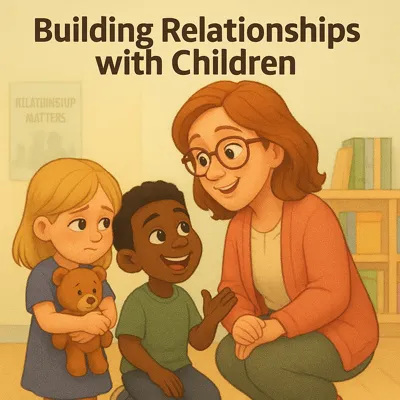
Building Trust and Rapport
A guide to fostering genuine, authentic connections with children and young people.
Building relationships with children is often a gradual process that strengthens over time. Trust cannot be rushed, especially with children who may have experienced trauma or challenging circumstances. Such children often recognise when a relationship feels superficial or forced, perceiving it as insincere or transactional. Genuine connection takes patience, consistency, and an authentic approach.
Recognising that some relationships may take longer to form than others is key. Even when a bond is established, relationships require ongoing care and attention to grow. Focusing on the strategies below can build trust and rapport, helping children feel safe, valued, and supported.
Building Trust Through Authenticity
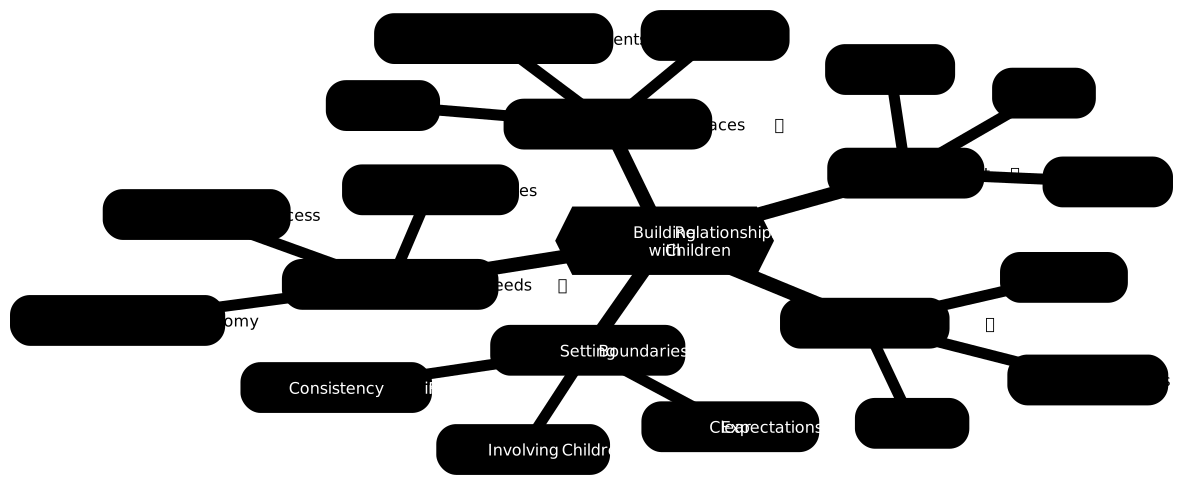
A genuine and authentic adult is crucial in creating an environment built on safety and trust. When children sense that an adult is authentic, they are likelier to open up and form a meaningful connection.
- ● Actively engage with thoughts, feelings, and experiences.
- ● Recognise and celebrate their uniqueness.
- ● Admit when you don’t know something or make a mistake.
- ● Build trust by consistently following through on promises.

Listening for Connection
An adult practising active listening creates a safe, respectful, and supportive environment. This fosters trust, builds mutual respect, and promotes confidence and emotional growth.
Empathetic Understanding
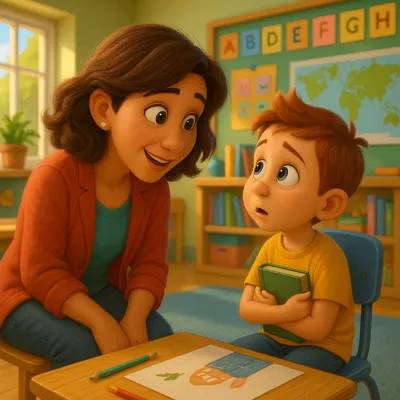
Empathy creates an environment where a child feels genuinely heard, valued, and supported.
- 🔹 Acknowledge feelings in a non-judgmental way.
- 🔹 Align physically by getting down to their level.
- 🔹 Use a calm tone and open body language.
- 🔹 Respect their perspective even if it differs.
Being the Reliable One
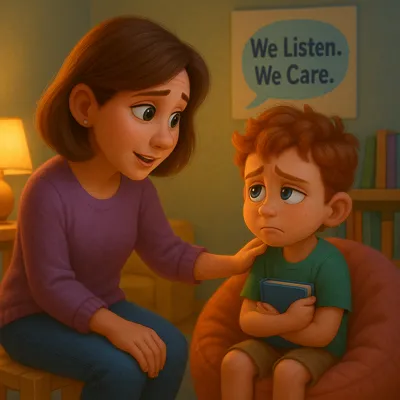
Consistency and dependability foster trust and support a child’s confidence.
-
Keep Promises
Following through on commitments is the foundation of reliability.
-
Consistency
Regular routines provide children with stability and security.
-
Predictability
Respond to situations calmly so children know what to expect.
Setting and Respecting Boundaries
Clear boundaries help children feel secure, understand expectations, and cultivate their sense of self-discipline and autonomy.
Involvement: Involve children in setting boundaries to encourage ownership.
Clarity: Explain consequences clearly so outcomes are understood.
Modelling: Demonstrate the respect for boundaries you expect from them.
Listening: Understand their reasons for pushing against boundaries.
Calm Enforcement: Apply boundaries without escalation to avoid power struggles.
Review: Regularly reassess boundaries to adapt to changing needs.
Individual Adaptation
Relationship-based practice recognises individuality. Adjust the environment, communication, and activities to suit the child's developmental stage, moods, and interests.
Creating a Safe Space
Ensure physical safety and emotional security. Celebrate diversity, maintain appropriate confidentiality, and reassure children that mistakes are a natural part of learning.
Trust the Process
Building relationships requires time. Accept that setbacks are part of the journey; overcoming them together can strengthen your bond. Celebrate small steps and show genuine care as the relationship develops.

Mark Else
My experience ranges from running playgroups for pre-schoolers to managing complex safeguarding caseloads within both mainstream and SEMH provisions. In addition to having worked within the education sector since 2018, I am currently studying for a Level 6 Youth Work degree.
References
- Erikson, E. H. (1963) - Childhood and Society
- Bowlby, J. (1988) - A Secure Base: Parent-Child Attachment and Healthy Human Development
- Rogers, C. R. (1951) - Client-Centered Therapy
- Gordon, T. (1970) - Parent Effectiveness Training
- Bronfenbrenner, U. (1979) - The Ecology of Human Development
- Siegel, D. J., & Bryson, T. P. (2012) - The Whole-Brain Child
- Vygotsky, L. S. (1978) - Mind in Society: The Development of Higher Psychological Processes
- Ginsburg, K. R. (2007) - Building Resilience in Children and Teens: Giving Kids Roots and Wings
- Barrett, P. M., & Turner, C. M. (2001) - Preventing Child and Adolescent Mental Health Problems