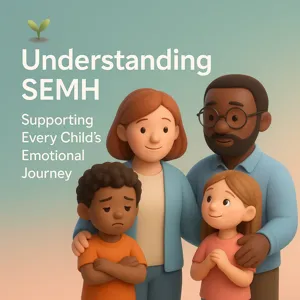
A comprehensive guide to understanding Social, Emotional and Mental Health (SEMH) needs in children. Learn causes, behaviours, and effective strategies to support children with SEMH. Essential reading for educators and parents.
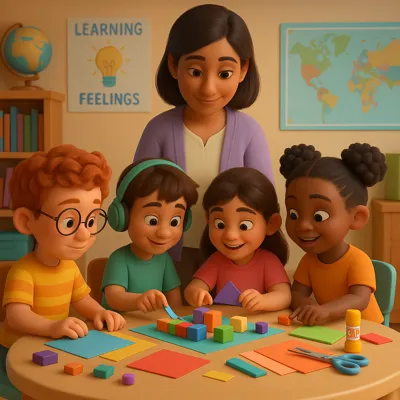
Discover how Lev Vygotsky’s Sociocultural Theory explains children’s cognitive growth through social interaction, cultural tools, and the Zone of Proximal Development (ZPD).
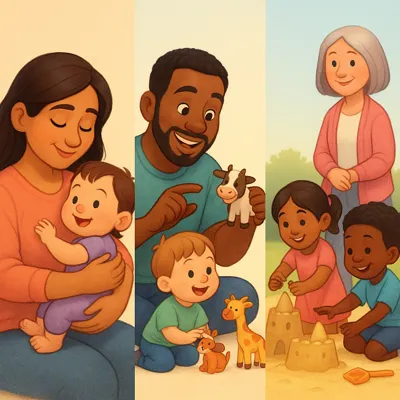
Explore why the first five years of life shape lifelong learning, behaviour and health. Discover how secure attachments, language and social skills develop in early childhood.
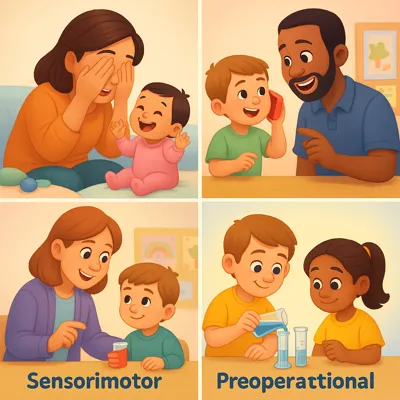
Explore Jean Piaget’s Cognitive Development Theory, detailing the four stages from infancy to adolescence, and understand how children's thinking evolves through interaction and discovery.
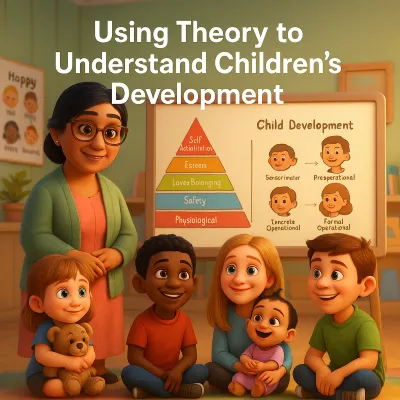
Understanding child development is not just a theoretical exercise. It equips you with the knowledge to comprehend how children think, act, and behave. This understanding empowers you to better support and guide children’s learning and growth journey.