

Please Enter Your Email ID
Table of Contents
What is Stimming?
Stimming in children should be considered a normal and healthy way for them to self-regulate or express themselves. It’s crucial not to suppress a child’s need to stim unless the stimming is harmful. Doing so can be counterproductive and cause distress to the child.
Stimming is repetitive movements, sounds or actions children use to self-regulate their emotions or process sensory input. Most people use stimming, such as tapping their feet, biting their nails or twirling their hair.
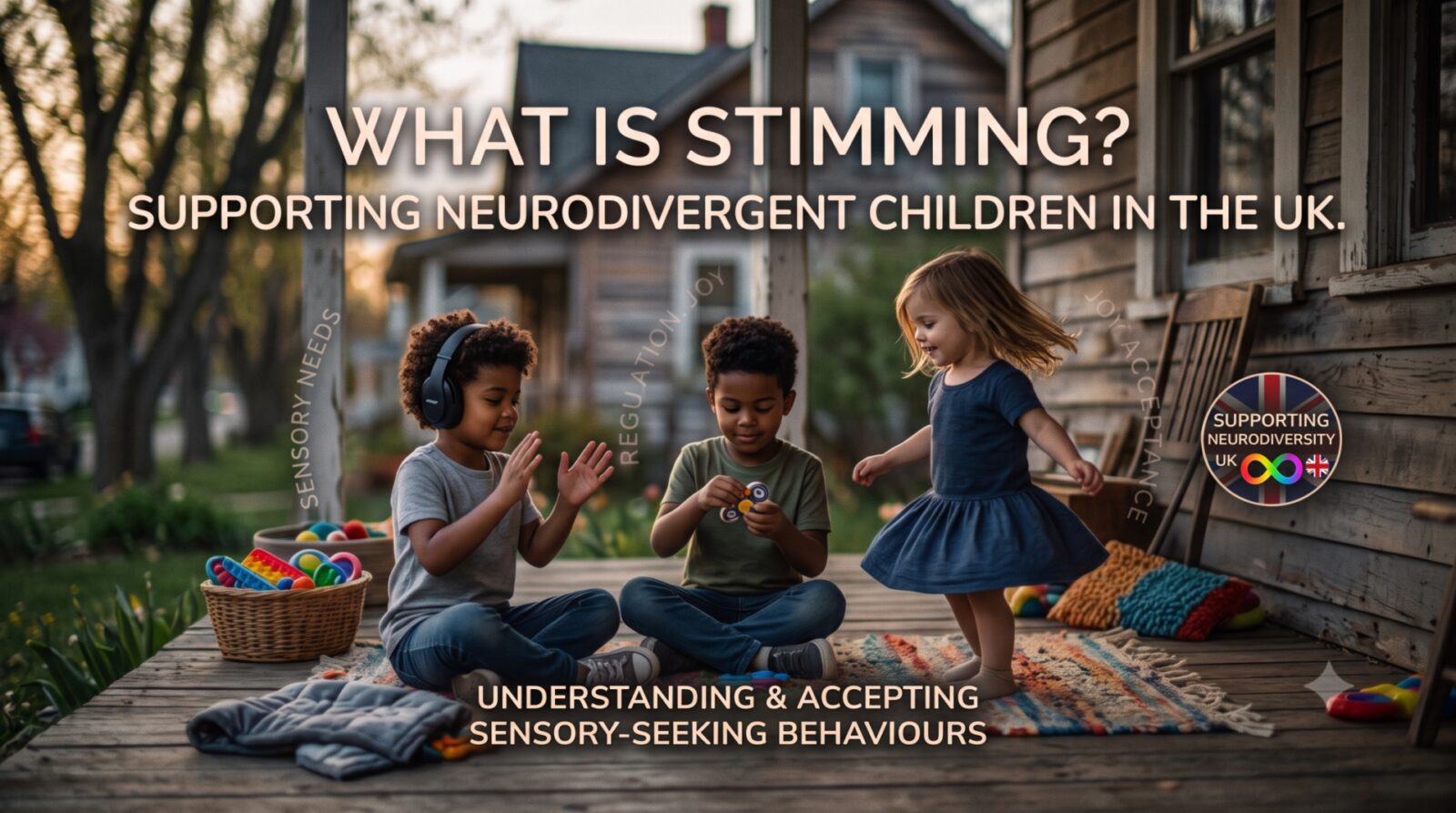
Common examples of stimming in children include hand-flapping, rocking, spinning objects, jumping, repeating phrases, humming, echolalia, watching spinning objects, staring at patterns, tapping fingers, biting nails, twirling hair, and many more. It should be understood that these behaviours are often misunderstood despite them usually being harmless and personal to the individual child.
Stimming serves a vital function for neurodivergent children, as it is used to reduce sensory overload or compensate for under-stimulation. Children might use stimming as a way of showing distress, anxiety, or excitement.
You should be aware of the potential for harm, as rocking from distress can become head-banging or skin-picking if the source of the distress remains (or if the child is not removed from the distressing environment). Should stimming become self-injurious, additional support and intervention might be needed.
Understanding Self-Stimulatory Behaviours
Stimming, short for self-stimulatory behaviour, refers to repetitive actions, sounds, or movements that individuals use to regulate their emotions, process sensory input, or express themselves.

Neurodivergent vs. Neurotypical Stimming
Stimming, while often associated with neurodivergent conditions such as ADHD and autism, is a universal behaviour. It can be observed in both neurodivergent and neurotypical individuals, children and adults alike.
Why Do Children Stim?
Children stim for various reasons, most related to sensory, emotional, or self-regulation needs. Specific reasons for the child stimming will depend on the individual child, their neurotype, and their situation.
Common Examples of Stimming Behaviours in Autism and ADHD
| Function | Behaviours Displayed | Release Provided |
|---|---|---|
| Managing Sensory Overload Neurodivergent: Visible/intense stimming due to lower sensory thresholds. Neurotypical: Higher sensory tolerance. | Rocking, covering ears, squeezing a stress ball. Blocking out noises or lights. | Filters overwhelming stimuli. Helps regain control and calm. |
| Coping with Anxiety Neurodivergent: Stimming as a primary coping tool. Neurotypical: Verbal reassurance or other methods are often sufficient. | Tapping fingers, humming, or rubbing fabric. | Predictable sensory input lowers stress. Promotes emotional balance. |
| Expressing Excitement Neurodivergent: Joy expressed physically (e.g., hand-flapping, spinning). Neurotypical: Verbal or social cues are more common. | Hand-flapping, spinning, clapping when happy. | Channels positive energy into physical activity. Helps process and enjoy emotions. |
| Compensating for Under-Stimulation Neurodivergent: Actively seek sensory stimulation through stimming. Neurotypical: Similar actions occur but less consciously or purposefully. | Spinning objects, flicking fingers, or watching patterns. | Satisfies sensory cravings in under-stimulating environments. |
| Maintaining Focus Neurodivergent: Stimming is often essential for concentration. Neurotypical: Less reliance on stimming for focus. | Fidgeting with toys, twirling pens, tapping surfaces. | Provides consistent physical activity. Enhances mental focus and reduces distractions. |
Neurodivergent children often stim more visibly or intensely than neurotypical children due to their unique sensory and neurological needs. Certain stimming behaviours are more common in neurodivergent children; however, displaying stimming behaviour does not mean that a child is neurodivergent.
For some neurotypical children, stimming can be more of a habit. In contrast, stimming is a vital coping mechanism for neurodivergent children as it allows them to navigate the sensory and emotional challenges of their environments.
Many people (often those who lack understanding or knowledge of children with special educational needs) misunderstand stimming behaviours as disruptive or inappropriate, leading to increased stigma. This stigma can lead parents and carers to want to suppress the stimming behaviour, which can be harmful to the child and lead to increased anxiety or emotional distress, as stimming often provides self-regulation to the child.
By normalising stimming in children as a functional and necessary behaviour, we can create environments where children can stim without shame, judgment or interference from others. Further education on identifying when stimming indicates distress can further support the child, as you can help them without suppressing the stimming.
Debunking Common Misconceptions About Stimming in children
Stimming is a natural and essential behaviour for many children, especially neurodivergent children. Despite efforts to better understand children with special educational needs, communities as a whole still hold a lot of misconceptions about stimming.
By understanding stimming and addressing misconceptions, we can all foster more inclusive and empathetic environments. This understanding will continue to create better societies for children.
| Common Misconception | Truth |
|---|---|
| Stimming Is Always Problematic or Disruptive | Most stimming behaviours are harmless and serve essential self-regulation functions. They only become problematic if they become self-injurious, such as by engaging in head-banging. |
| Stimming Is Unique to Autism | Whilst stimming is more prominent (and more intensely portrayed) in children with autism, children without autism also stim. |
| Stimming Is a Sign of Poor Self-Control | Stimming is a purposeful and adaptive behaviour that changes based on the environment. It helps children to manage their internal state and interact with their environment effectively. |
| Stimming Is Attention-Seeking Behaviour | Stimming is typically a response to a sensory or emotional need, not a means to attract attention. |
| Stimming Means a Person Is Distressed | While people should be aware that some stimming behaviour can represent distress in a child, many stims can be used to express joy, excitement, or focus. |
| Stimming Should Be ‘Fixed’ | If you have reached this point and still think this, I will reiterate that stimming is not a problem to be fixed but a natural behaviour that should be supported and accommodated. Suppressing or correcting stimming can be harmful to the child’s well-being. |
How to Support Stimming Safely at Home and in School
The first step in supporting children who stim is ensuring that you understand the value and purpose of stimming. Sharing this knowledge with colleagues and emphasising that stimming is a normal behaviour will help reduce the associated stigma as people learn to view it without judgment.
Creating Sensory-Friendly Environments
Creating calm, inclusive, and sensory-friendly spaces at home, at school and in the community, where stimming can happen freely, provides children with safe spaces and inclusive environments.
This could include providing fidget toys or weighted blankets for sensory regulation at home. This could be the creation of quiet spaces and supportive self-regulation through stimulating-friendly practices in school. In the community, you can respect a child’s right (and need) to stim without drawing unnecessary attention to it.
When (and How) to Intervene with Self-Injurious Stims
Identifying when stimming in children is self-injurious or indicates distress will support you in keeping children safe from harm and provide necessary intervention whilst supporting the children to stim healthily. This could include replacing biting behaviours with a purpose-made chewable item or providing noise-cancelling headphones to help reduce noise overload, thus supporting self-regulation.
Remember that all children are unique; what works for supporting one child might not work for the next. Where possible, you should seek preferences from the child for what support they feel they need at different times. For example, one child might prefer ear defenders when overwhelmed by noise, whereas another might like to be given something to tap to distract themselves from the noise.
The best way to support children who stim is by advocating for neurodiversity awareness. This could be influencing changes to policy or speaking out against misconceptions and outdated beliefs that others might hold.
Sensory Stimming and Emotional Regulation: How Stimming Supports Children’s Mental Health
Stimming, such as rocking or tapping, can soothe stress, and hand-flapping can release excitement; these stims can help children manage strong emotions like anxiety or excitement.
Because most stims are repetitive, they create a predictable sensory input; during stressful or overstimulating environments, these repetitive actions can become a strong calming and grounding technique.
For children with ADHD, stimming can help to improve focus and reduce restlessness. This contributes to better task performance and a sense of achievement.
Acceptance, offering alternatives when stimming becomes harmful and creative supportive environments not only promote inclusivity but also promote positive mental health through stimming. This can lead to overall better outcomes for children as they progress through life.
Conclusion
stimming in children is a natural and essential behaviour, particularly neurodivergent children. Stimming plays a vital role in emotional regulation and sensory input and acts as a way to express themselves.
Misconceptions about stimming, such as viewing it as disruptive or unnecessary, often stem from a lack of awareness. Suppressing or judging stimming behaviours can lead to increased stress, anxiety, and emotional distress. Instead, recognising stimming as a healthy and adaptive behaviour is key to fostering inclusive environments where children can thrive.
Creating sensory-friendly spaces at home, school, and in the community allows children to stim without fear of stigma or judgment. Supporting their needs, providing tools for safe self-regulation, and understanding when stimming indicates distress ensures that children feel safe and respected.
Stimming also profoundly connects to mental health, allowing children to manage strong emotions, focus attention, and stay grounded. By promoting stimming as a beneficial and functional behaviour, we contribute to their emotional well-being and overall development.
Ultimately, supporting children who stim is about advocating for neurodiversity and building a society that respects and celebrates differences. By embracing stimming and addressing misconceptions, we take meaningful steps towards creating a more compassionate, inclusive, and supportive world for all children.
Frequently Asked Questions About Stimming in Children
Is stimming in children normal?
Yes, stimming is a completely natural and universal human behaviour. While everyone engages in mild forms of stimming—such as tapping a foot, biting nails, or twirling hair—neurodivergent children (such as those with autism or ADHD) often stim more intensely or frequently to process sensory input and regulate their emotions.
Should you stop a child from stimming?
No, you should not suppress or stop a child from stimming unless the behaviour is physically harmful to themselves or others. Stimming serves an essential self-regulatory purpose, helping children manage stress and sensory overload. Attempting to force a child to stop stimming can lead to increased anxiety, emotional distress, and sensory burnout.
What is the difference between autism stimming and ADHD stimming?
While both involve self-regulation, the underlying sensory need often differs. Children with autism frequently stim to filter out sensory overload, self-soothe in unpredictable environments, or express intense excitement. Children with ADHD often stim to seek movement and stimulation, helping them boost focus and channel excess physical energy.
When does stimming become a concern?
Stimming only becomes a concern if it transitions into self-injurious behaviour—such as forceful head-banging, intense skin-picking, or severe biting—or if it prevents a child from engaging in essential daily activities. In these instances, intervention should focus on safe substitution (redirection) and environmental adaptations rather than punishment or suppression.
How can teachers and SENCOs support stimming in the classroom?
Educators can support neurodivergent pupils by normalising stimming, creating calm sensory spaces, and providing safe fidget tools or movement breaks. Educating classmates about sensory needs helps remove social stigma, ensuring neurodivergent children feel safe and accepted.
References
- Leekam, S. R., Prior, M. R., & Uljarevic, M. (2011). Restricted and repetitive behaviors in autism spectrum disorders: A review of research in the last decade. Psychological Bulletin, 137(4), 562–593.
- Stereotypic movement disorders and their distinction from stimming: A systematic review. Journal of Neurodevelopmental Disorders.
- National Autistic Society: What is stimming?
- ADDitude Magazine: Understanding ADHD Stimming and Its Role in Self-Regulation.
- Silberman, S. (2015). NeuroTribes: The Legacy of Autism and the Future of Neurodiversity.
- Notbohm, E. (2005). Ten Things Every Child with Autism Wishes You Knew.
- Sinha, P. (2021). Stimming: A Neurodivergent Perspective.
- Department for Education. (2015). Special Educational Needs and Disability Code of Practice: 0 to 25 years.
- Prizant, B. M., & Fields-Meyer, T. (2015). Uniquely Human: A Different Way of Seeing Autism.
- Ayres, A. J. (2005). Sensory Integration and the Child.
- Dawson, G., & Watling, R. (2000). Interventions to Facilitate Auditory, Visual, and Motor Integration in Autism.